












We make complex innovation easier to understand.
Web Development Agency in Amsterdam
Marsmedia is a web development agency in Amsterdam that has been designing and building websites for twenty years — for biotech, life sciences, medtech, sustainable tech, SaaS and other organisations working on tomorrow’s world.
The build is never the starting point. First comes what the website has to say, and to whom. Then we choose the technology that serves it: WordPress for most, custom development where the project asks for it, AI-assisted development where it makes the work faster without making it worse.
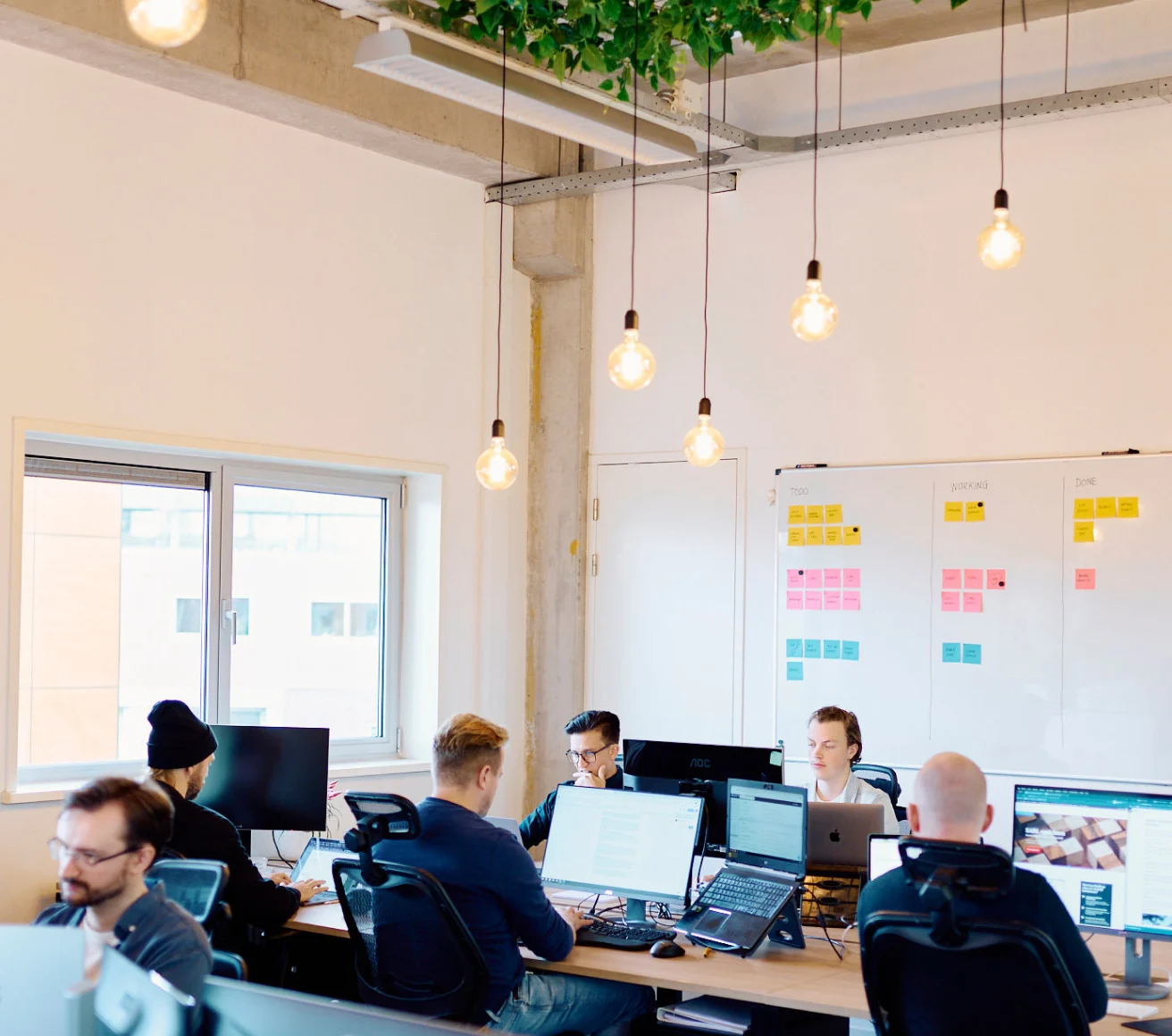
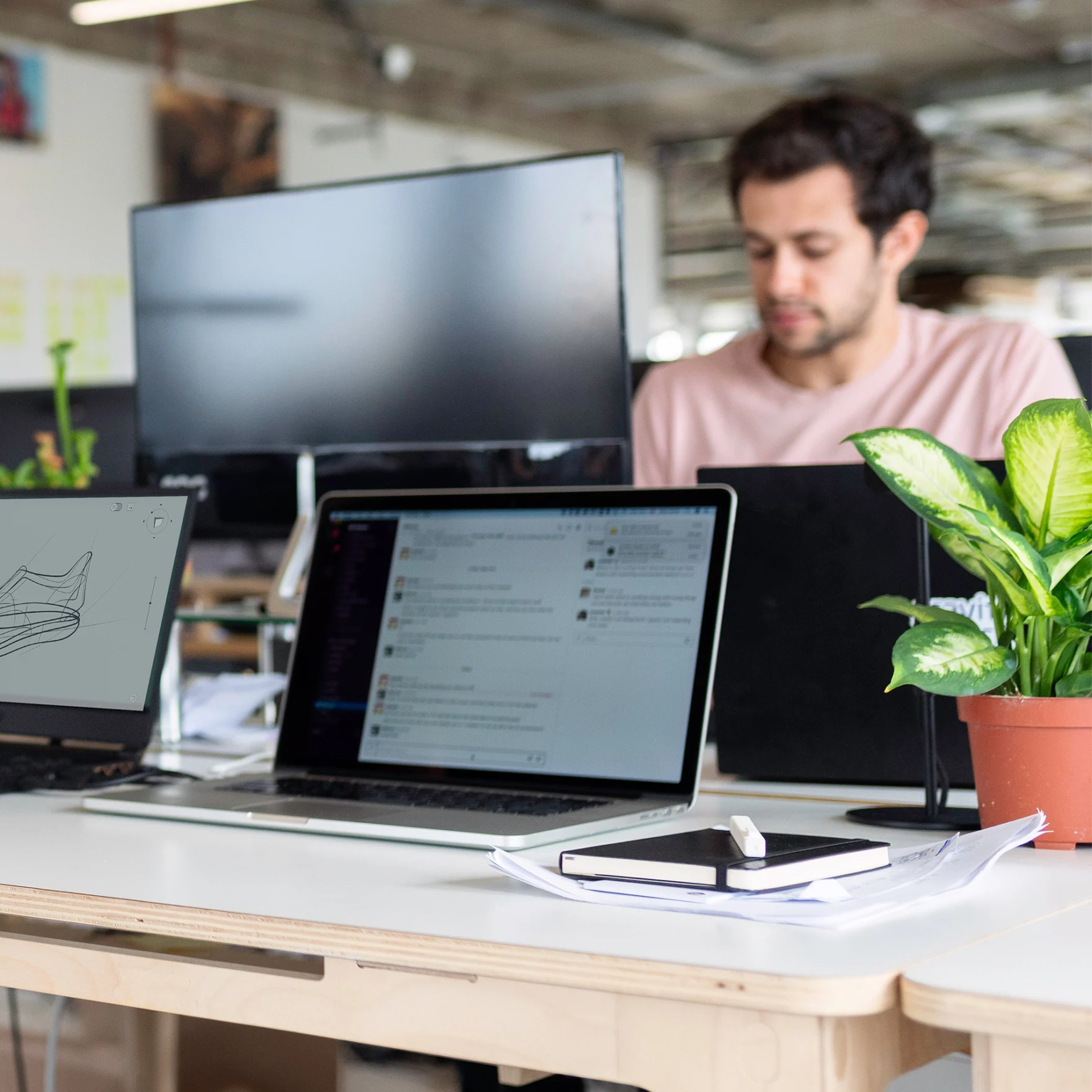
Designed and built by the same team, from one studio. What you approve in the design is what goes live.
4.9 average on Google, 44+ reviews
Why development belongs next to design
Most website projects don’t fail in the design phase or the build phase. They fail in the handover between the two. We removed the handover.
In many projects, a design goes through the shredder the moment another party has to build it. Spacing shifts, interactions get simplified, details disappear — and nobody quite decided any of it.
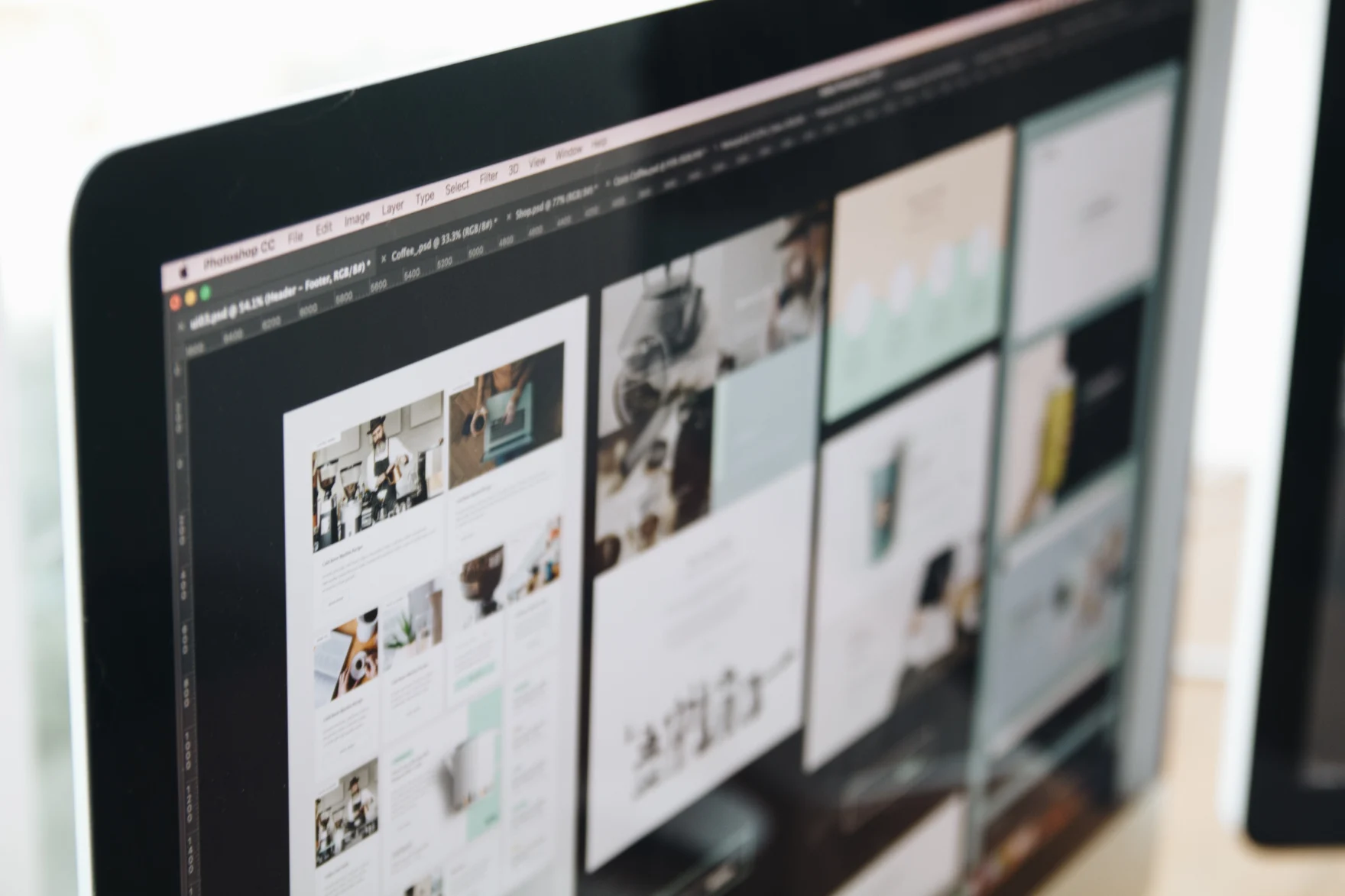
With us, the people who design the website build it. What you approve in the design presentation is what goes live. Not a version of it.
The most expensive development problems are decided early — in the structure, the content model, the integrations. If developers only join when the design is done, those decisions have already been made without them.
Our developers sit at the table from the first conversation. Technical constraints and possibilities shape the design, instead of surprising it later.
A website is handed over twice: once to you, and once to the people who work with it every day. We build for the second handover too.
A clear CMS, content that’s editable without a developer, documentation that covers the real cases. Three months after launch, your team should be able to run the site — and call us for the things that genuinely need a developer, not for a headline change.
From Amsterdam we build for organisations across seven countries — the Netherlands, Belgium, the UK, Germany, the US, China and South Africa. For some projects we sit at the same table; for others we run alongside through shared Slack and biweekly calls.
The process has been refined over twenty years, so scale and time zones aren’t a problem.
4.9 average on Google, 44+ reviews
What we build, specifically
Custom web development
Some projects don’t fit a standard mould: a platform with complex data, a portal behind a login, integrations with systems that were never meant to talk to each other. That’s custom web development — built for what your organisation actually needs, not bent from a template.
Custom doesn’t mean starting from zero on everything. It means choosing precisely where custom work earns its cost, and where proven components do the job better.
WordPress and platforms
For most websites, WordPress is still the right choice: flexible, easy for your team to work with, and with room to grow. We’ve built on it for years and know where its strengths end — which is exactly when we advise something else.
Read more about how we approach WordPress development — from clean, lightweight builds to editorial setups your team will actually enjoy using.
Headless and integrations
For larger platforms we build headless: content in one place, delivered to website, app or portal from the same source. And we connect what needs connecting — HubSpot, Salesforce, Pipedrive, marketing automation, product data, single sign-on.
The rule stays the same: the architecture follows the project, not the other way around. Headless is a tool, not a badge.
AI-assisted development
For smaller projects we increasingly use AI-assisted development: faster to ship, lighter on budget, with the same senior eyes on quality. The developer doesn’t disappear — the repetitive work does.
It’s also changing what’s feasible. Processes that used to live in impossible Excel sheets become tools: ROI calculators, configurators, internal calculation models. Work that once took hundreds of hours now fits inside a normal project budget. We’ll tell you honestly when that applies to yours — and when it doesn’t.
“Websites don’t fail in design or in build.
They fail in the handover. So we removed it.”
— Marsmedia
What working with us looks like
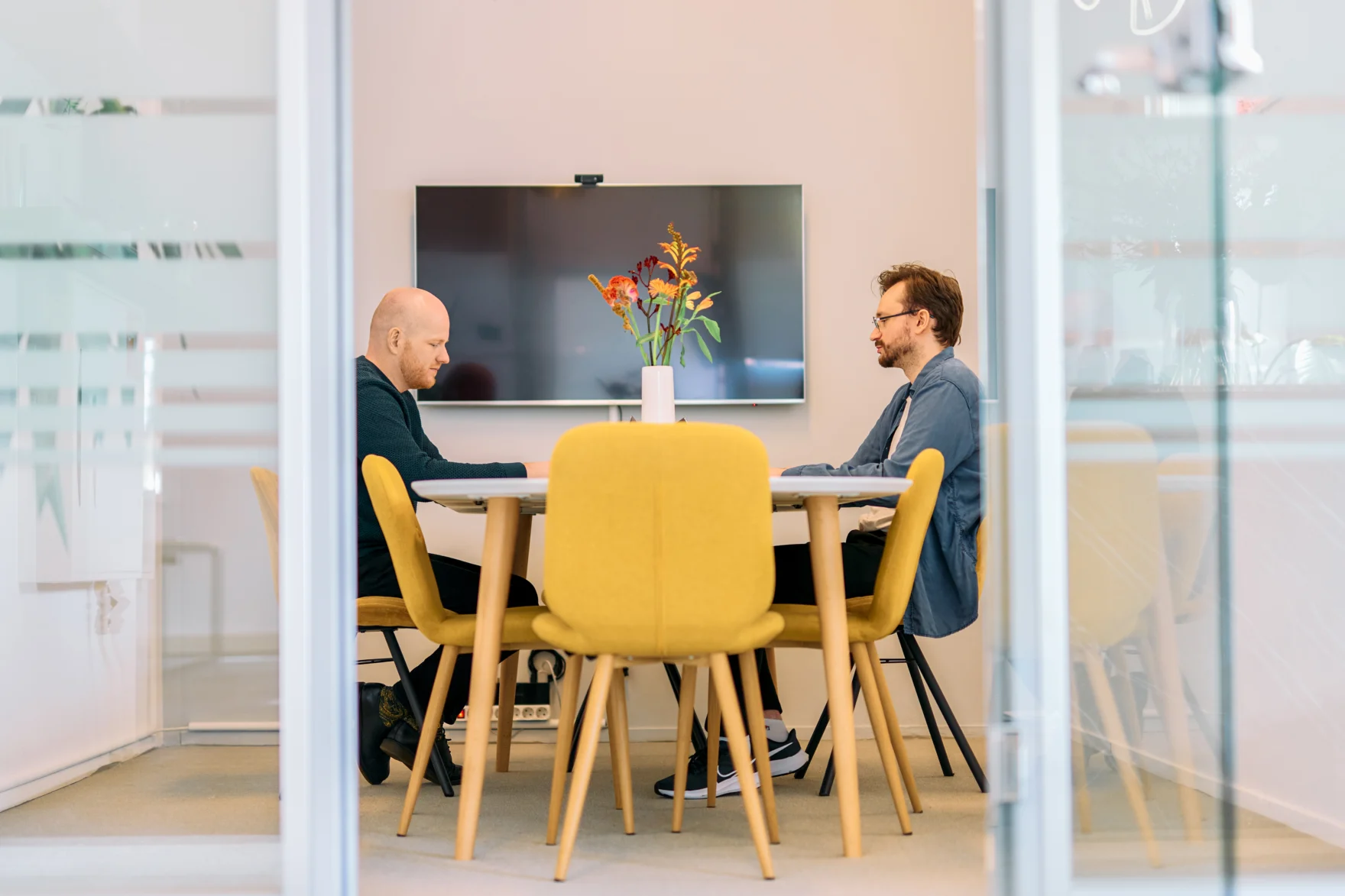
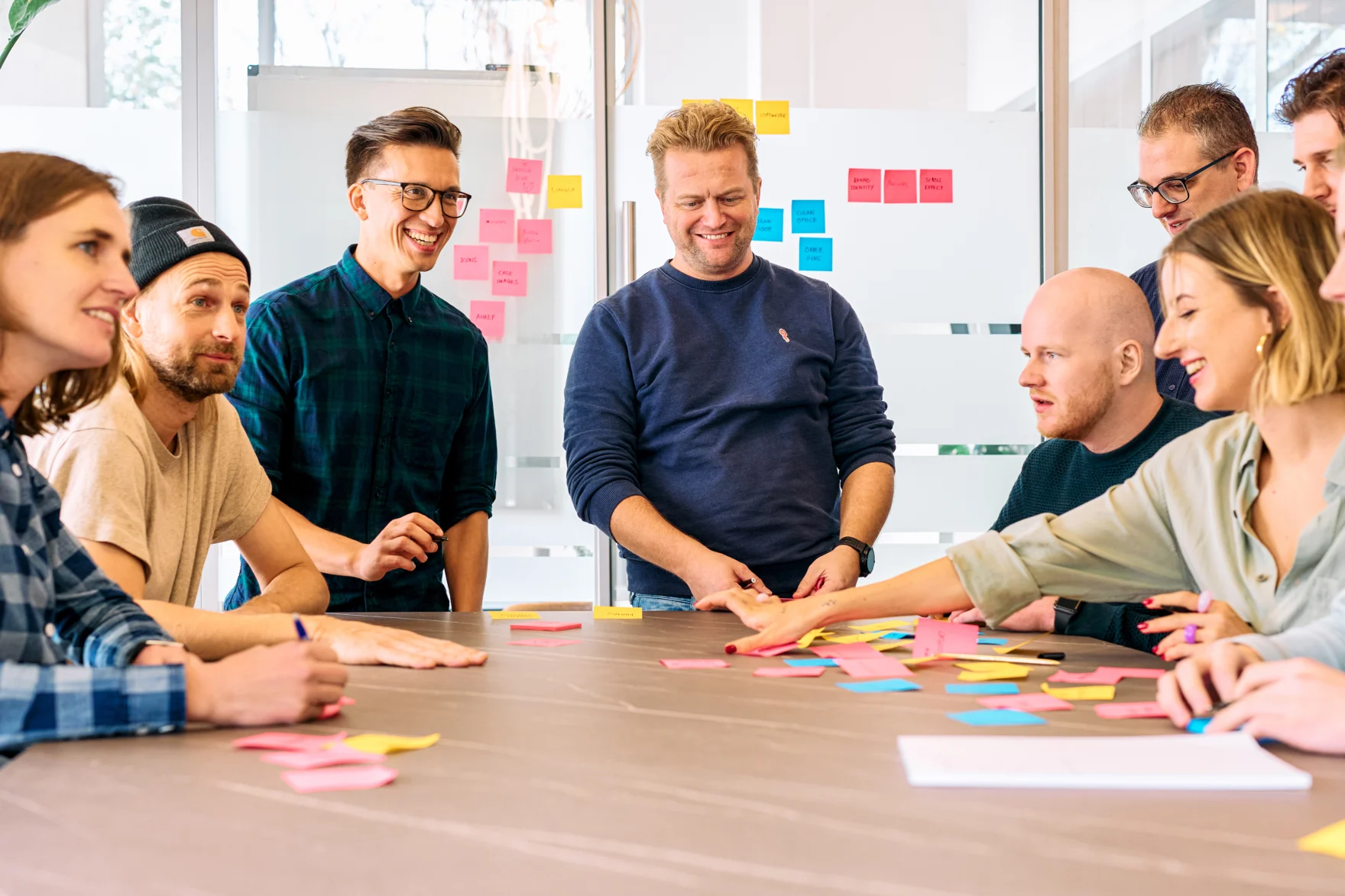
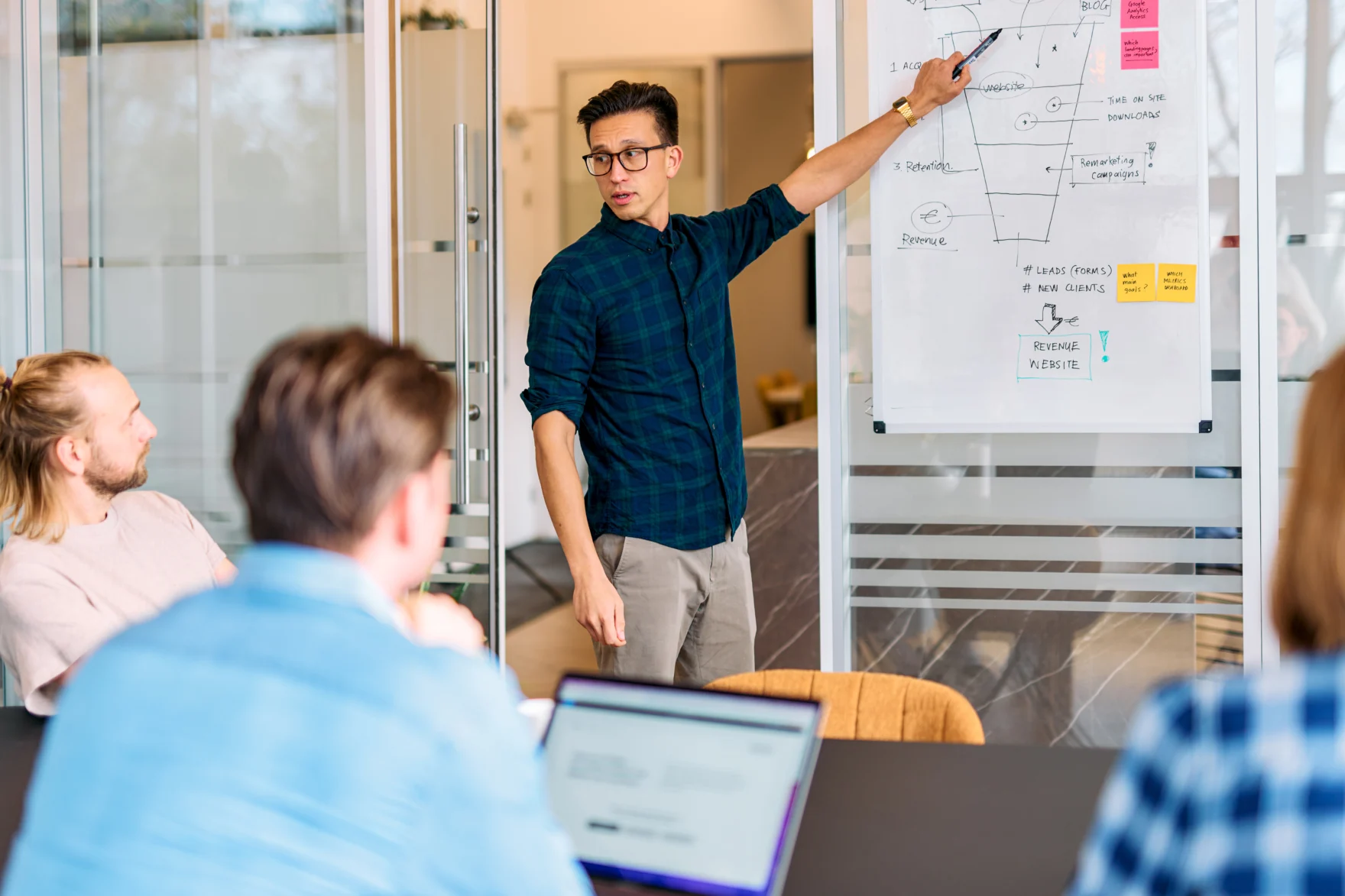
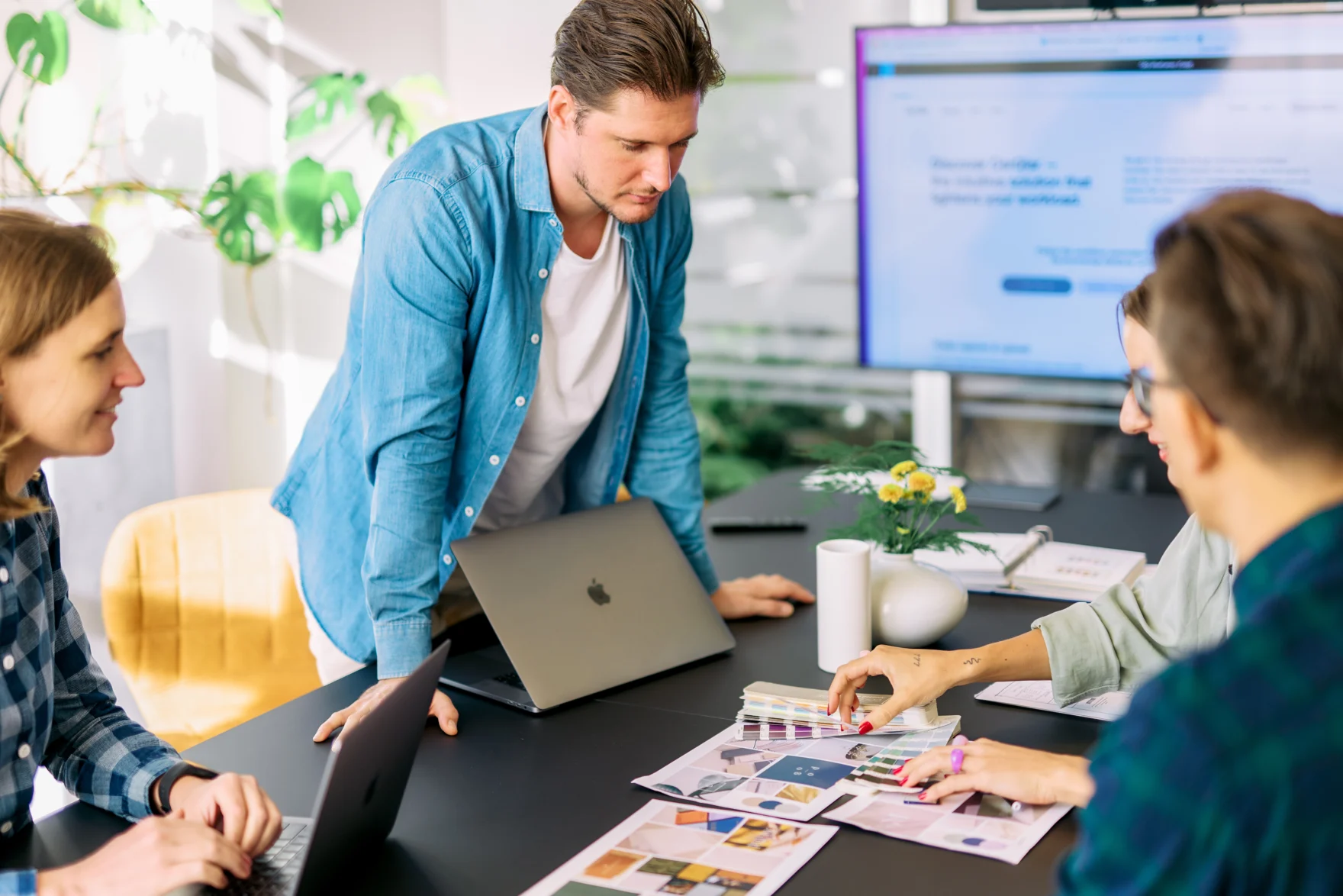
At a new enquiry we call first — simply to hear whether we’re a fit. Then comes a discovery session where the core question surfaces together: the founder at the table, a UX designer, and someone from brand where needed.
Across twenty years and more than 300 websites, that’s been the constant: the projects that succeed start with the right people at the table — on both sides.
The design decision we defend most often: not trying to say everything. The more a page says, the more likely the visitor decides on their own — and leaves without a conversation.
We look for the single most important thing per screen: just enough to convince, with a clear next step. Calm isn’t a style choice; it’s conversion work.
What we often find in sites built elsewhere: back to the builder for every small change, at a cost. Not with us — our own block system lets your team build and edit pages without being able to break the site.
And when we develop new modules, existing clients simply get them too.
A live website is our starting point, not the finish. We set up the measurement — behaviour, conversion, findability — and adjust based on what the data shows.
Ninety per cent of our clients stay after the first project. That’s no coincidence: the work gets better the longer we measure.
“In web design Amsterdam, I enjoy strategically shaping elements to draw visitors’ attention and instill trust in their brand’s professionalism. It’s fulfilling to help clients effectively communicate their products or services through visually appealing and user-friendly designs.”
Marsmedia
Every project here starts with a call. Yours can too.
How we work
Three steps. Everyone knows what is needed, and when.
We call first
Every enquiry starts with a phone call: is this a fit, can we genuinely add value? If not, we point you to someone better placed. If so, we plan a discovery session — the joint brainstorm where the real question surfaces.
We simplify
Most briefs want to say too much. We look for the single most important thing per page and keep the design calm — just enough to convince, with a clear next step. That’s the hardest part of the craft, and exactly where twenty years count.
We measure until it works
A website is never finished. Launch is the starting point: we measure behaviour and conversion, adjust based on the data, and your team keeps building in our block system — without coming back for every small change.
Connected services we offer
Brand
Website
Frequently asked questions
A web development agency builds websites and web platforms — but the useful version of the answer is broader. The work starts before the first line of code: choosing the right architecture, content model and stack for what the organisation needs. And it continues after launch: monitoring, maintenance, and the improvements that only become visible in real use.
The terms web development agency and web development company are used interchangeably; they describe the same thing. What matters more is how the agency is organised — with design and development in one team, or with a handover in between.
That depends on the scope, the complexity of the build, the integrations and the number of stakeholders. Early in the conversation we share an estimate per phase, so you see what each part of the work costs before it begins.
For most organisations a website is an investment they make every three to five years. We’d rather help you spend that budget where it actually makes a difference than push for the most expensive version of the work.
Both — and the honest answer is that it depends on the project. For most websites WordPress is the right choice: flexible, easy for your team to maintain, with room to grow. For platforms with complex data, portals or heavy integrations, custom development earns its cost.
We advise on that choice openly, including when the cheaper option is the better one. The stack serves the project, not our preference.
Custom web development means building precisely what your organisation needs, rather than bending a template until it roughly fits. It earns its place when the project has requirements a standard setup can’t meet: complex data structures, portals behind a login, integrations with internal systems.
Most projects need custom work in some places and proven components in others. The craft is knowing where the line runs — that’s where budgets are won or lost.
Headless means the content lives in one system and is delivered to any front end — website, app, portal — from the same source. It’s powerful for larger platforms with multiple channels, and unnecessary overhead for most single websites.
If an agency recommends headless before understanding your project, that’s a signal. The architecture should follow the project, not the trend.
Yes. Most of our clients stay with us after launch for hosting, updates, security and small improvements. Hosting runs on WP Engine’s enterprise plan, which lets us guarantee both speed and security. And because a live site is a starting point for us, the measurement comes along: Hotjar, Microsoft Clarity and Google Analytics, set up so you can see what visitors actually do.
We agree the maintenance scope upfront, so you know what’s covered — and your team knows what they can do themselves without waiting for a developer.
Yes, and it’s a regular part of our work. We start with a technical audit — and after years of them, the findings are predictable: security that was never audited, redirects done badly, and page-builder code no developer wants to inherit.
Sometimes the honest conclusion is that a rebuild is cheaper than a rescue. We’ll tell you that before you spend money on the wrong one.
Not as a loose pair of hands — our developers work as part of a team, with a strategist and designer alongside. That’s deliberate: the value sits in the combination, not in hours.
If you’re looking for capacity within your own team, we’re happy to point you in the right direction. If you’re looking for a partner who takes responsibility for the result, that’s us.
Three ways. In the build: AI-assisted development makes the repetitive work faster, which makes serious development feasible for budgets it wasn’t feasible for two years ago — the senior developer doesn’t disappear, the boilerplate does. In the product: we turn processes that lived in Excel sheets into working tools, like ROI calculators — work that once took hundreds of hours. And in the platform: our own Mars AI plugin handles the tedious parts of publishing, from meta descriptions to image descriptions and heading structure.
We also build with AI search in mind: websites structured so ChatGPT, Claude and other AI assistants can read and cite them correctly. That’s becoming part of findability, next to Google.
We’re based in Amsterdam, but the work travels further. Our clients are spread across seven countries: the Netherlands, Belgium, the UK, Germany, the US, China, and South Africa.
For some projects we sit at the same table. For others we run alongside through shared Slack and biweekly calls. The process is set up so that scale and time zones don’t get in the way of the quality of the work.
Three things make our work different.
One: design and development in one team. What you approve in the design is what goes live — the handover where most projects lose quality doesn’t exist here.
Two: senior developers who’ve been building for fifteen to twenty years, working alongside strategists and designers from the first conversation. Technical decisions get made early, when they’re cheap.
Three: we build for the team that comes after launch. A clear CMS, real documentation, a site your people can run — and a partner who stays involved in the months where the real story gets written.
And some work we decline as a rule: high-volume B2C, dropshipping, quick commerce. Volume isn’t our position. Depth is.
Read more
Recent stories on web design, branding and innovation.